
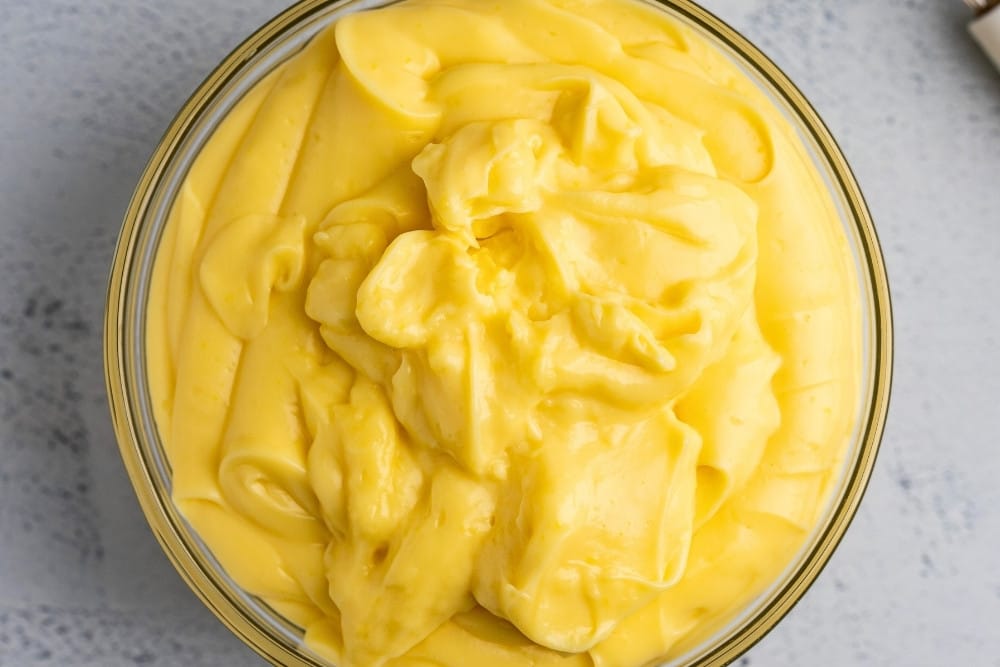
How to Make Vanilla Pastry Cream (Crème Pâtissière) – Step-by-Step Guide
A classic vanilla custard that’s thick, smooth, and perfect for éclairs, cream puffs, and fruit tarts.
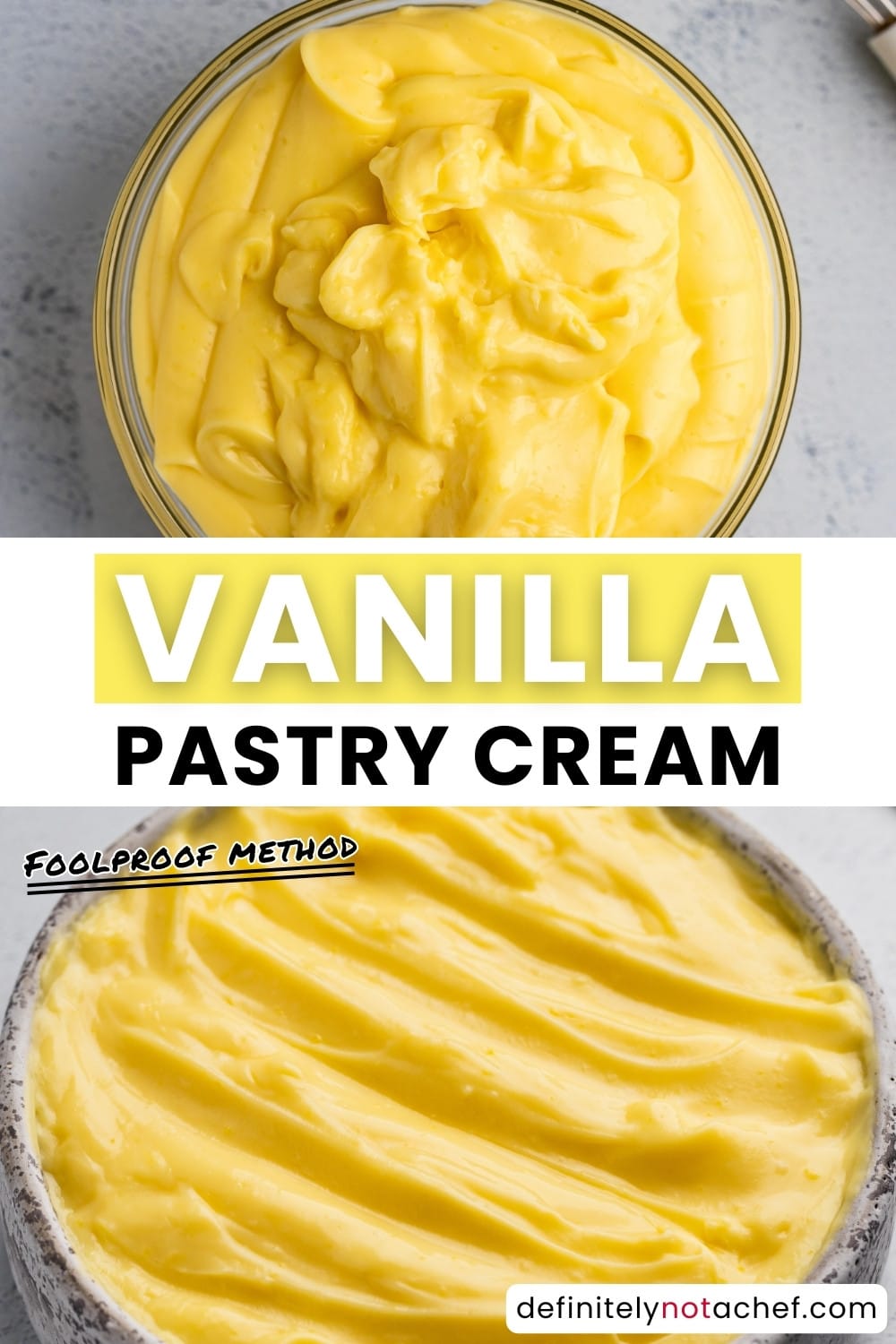
Vanilla pastry cream (crème pâtissière) is one of the core building blocks behind countless pastry cream desserts — from cream puffs and éclairs to fruit tarts and layered custards. It’s smooth, rich, and thick enough to hold its shape as a tart filling, yet creamy enough for spoonable desserts.
If you’re looking for reliable pastry ideas that actually work, this guide will show you exactly how to make pastry cream step by step, how to adjust the texture, and how to use it in everything from cream puffs to elegant tart fillings.
One reader, Melina, commented: “Came out great! Always make sure you temper the yolks to prevent curdling and continuous whisking is the tool to making this a success.“
Why You’ll Love This Recipe
- Quick and beginner-friendly. You only need about 20 minutes of hands-on time, and the method is straightforward. Even if you’ve never made pastry cream before, you can nail it on your first try.
- Thick, smooth, and reliable. This recipe gives you a sturdy pastry cream that pipes beautifully into cream puffs and éclairs, spreads cleanly in tart shells, and holds its shape in layered desserts.
- A versatile base for endless flavors. Master this vanilla version and you can easily turn it into chocolate, coffee, citrus, or spiced variations. It’s a foundation recipe you’ll reuse again and again.
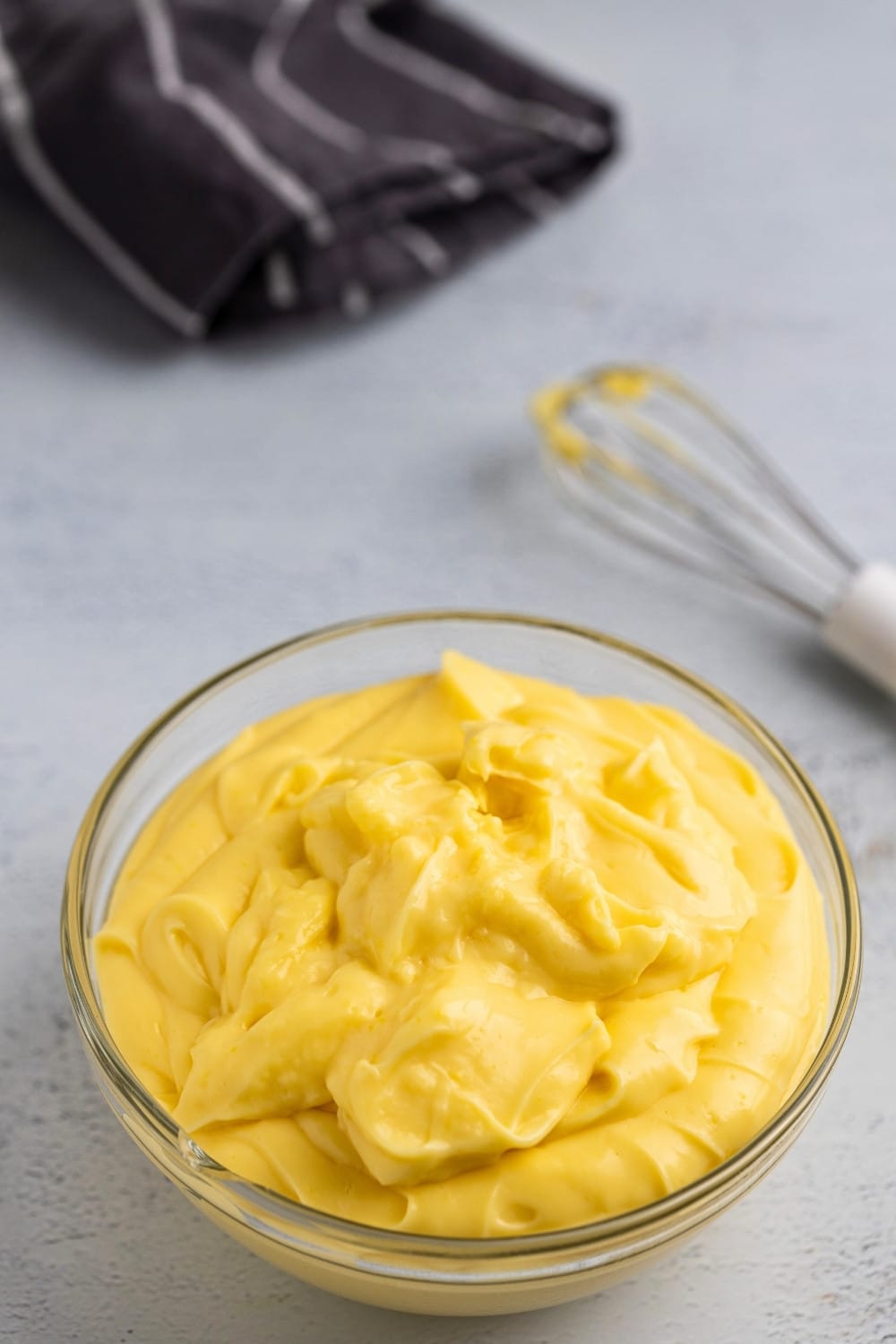
How to Make Pastry Cream Video
Ingredients Notes and Substitutes
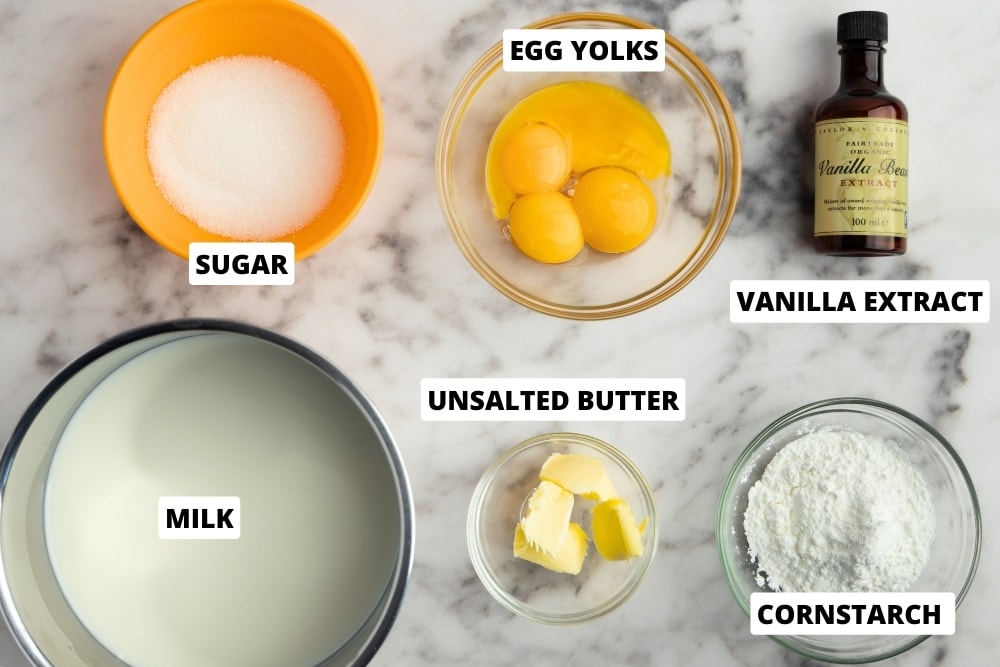
- Milk. Whole milk gives the best flavor and texture, but low-fat or skim milk will still work. You can also use plant-based milk alternatives, though the flavor and richness will vary.
- Cornstarch. Cornstarch is ideal because it thickens at about the same temperature that egg yolks fully cook and set. That means when the pastry cream thickens, the yolks are properly cooked and safe to eat. You can substitute potato starch, but use half the amount and let the hot milk cool slightly before combining with the yolks to prevent premature thickening. If you’re looking for a custard thickened without starch, a gelatin-based cream like crème bavaroise may be a better option.
- Sugar. Regular white sugar provides clean sweetness and structure. Alternative sweeteners can work, but adjust carefully — some (like xylitol or stevia) are sweeter than sugar and may slightly affect texture.
- Vanilla Extract. Vanilla extract keeps the process simple and consistent. It delivers great flavor without the extra infusion step required for vanilla beans. If you prefer using whole beans, instructions are included later in the article.
- Unsalted Butter. Adds richness and smoothness. Use unsalted so you control the flavor.
- Egg Yolks. Egg yolks work together with cornstarch to thicken and enrich the pastry cream. They also give it that classic custard color and flavor.
How to Make Vanilla Pastry Cream
👉 How to Temper Eggs – A step-by-step guide to safely adding hot liquid to egg yolks without curdling.
- Heat the Milk. Add the milk, half the sugar, and vanilla extract to a saucepan. Heat over medium until it just begins to steam and is close to a boil.
- Prepare the Yolks. While the milk heats, whisk the egg yolks, the other half of sugar, and cornstarch in a large heatproof bowl until smooth. Add a small splash of the warm milk to loosen the mixture and whisk until fully combined.
- Temper the Eggs. Remove the hot milk from the heat. Slowly pour it into the yolk mixture in a steady stream, whisking constantly to prevent curdling.
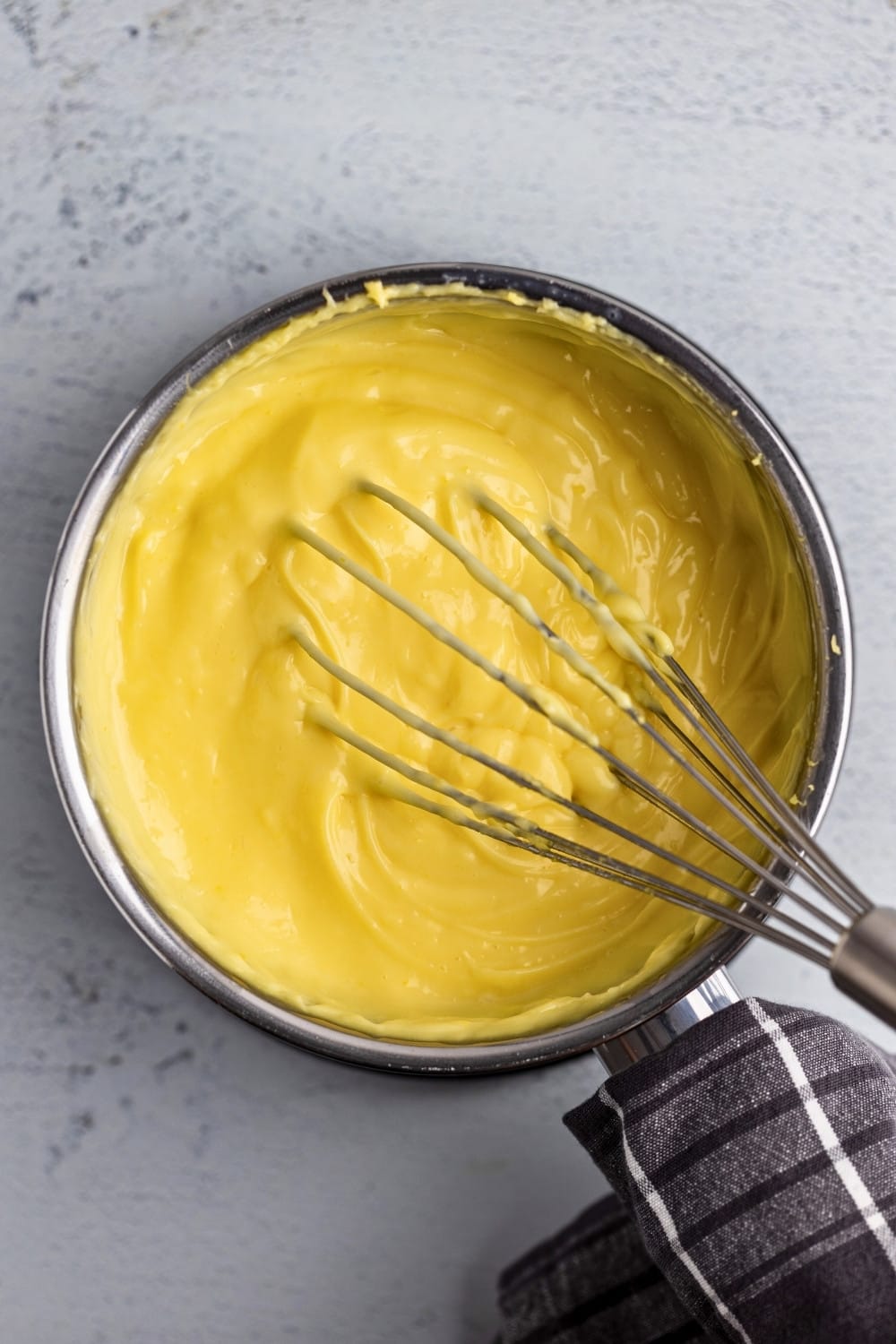
- Cook Until Thick and Bubbling. Return the mixture to the saucepan. Cook over medium heat, whisking constantly, until it thickens and begins to bubble. Once bubbling, lower the heat and continue whisking for about a 30-60 seconds to eliminate any raw starch taste.
- Whisk Off Heat. Remove the saucepan from the heat and continue whisking for another 30–60 seconds. This slightly loosens the cream so it sets smooth and thick, but not overly stiff.
- Finish with Butter. Remove from heat and stir in the butter until fully melted and smooth.
- Cool Properly. Transfer the pastry cream to a bowl and press plastic wrap directly onto the surface to prevent a skin from forming. Let cool slightly at room temperature, then refrigerate until fully chilled.
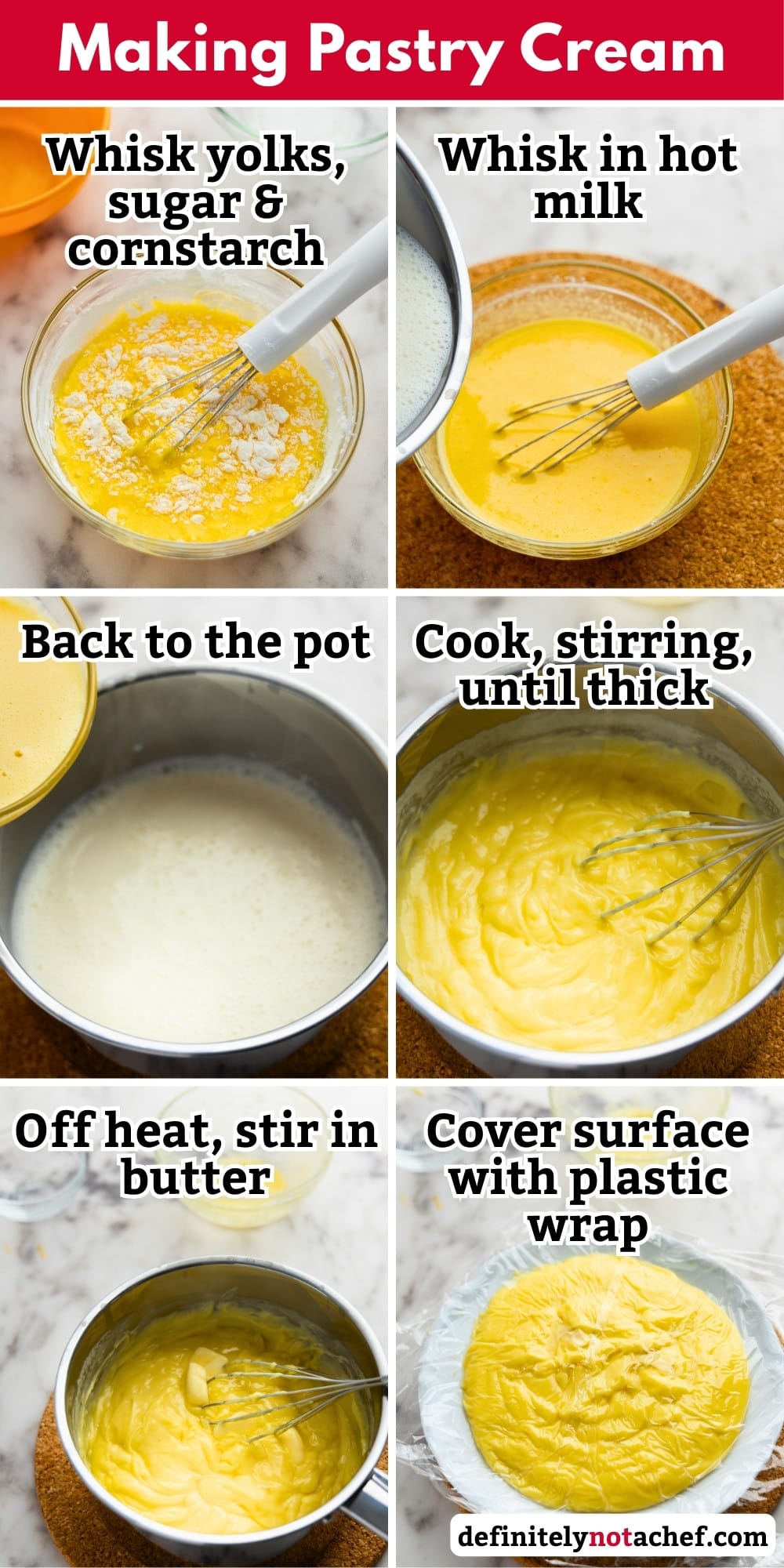
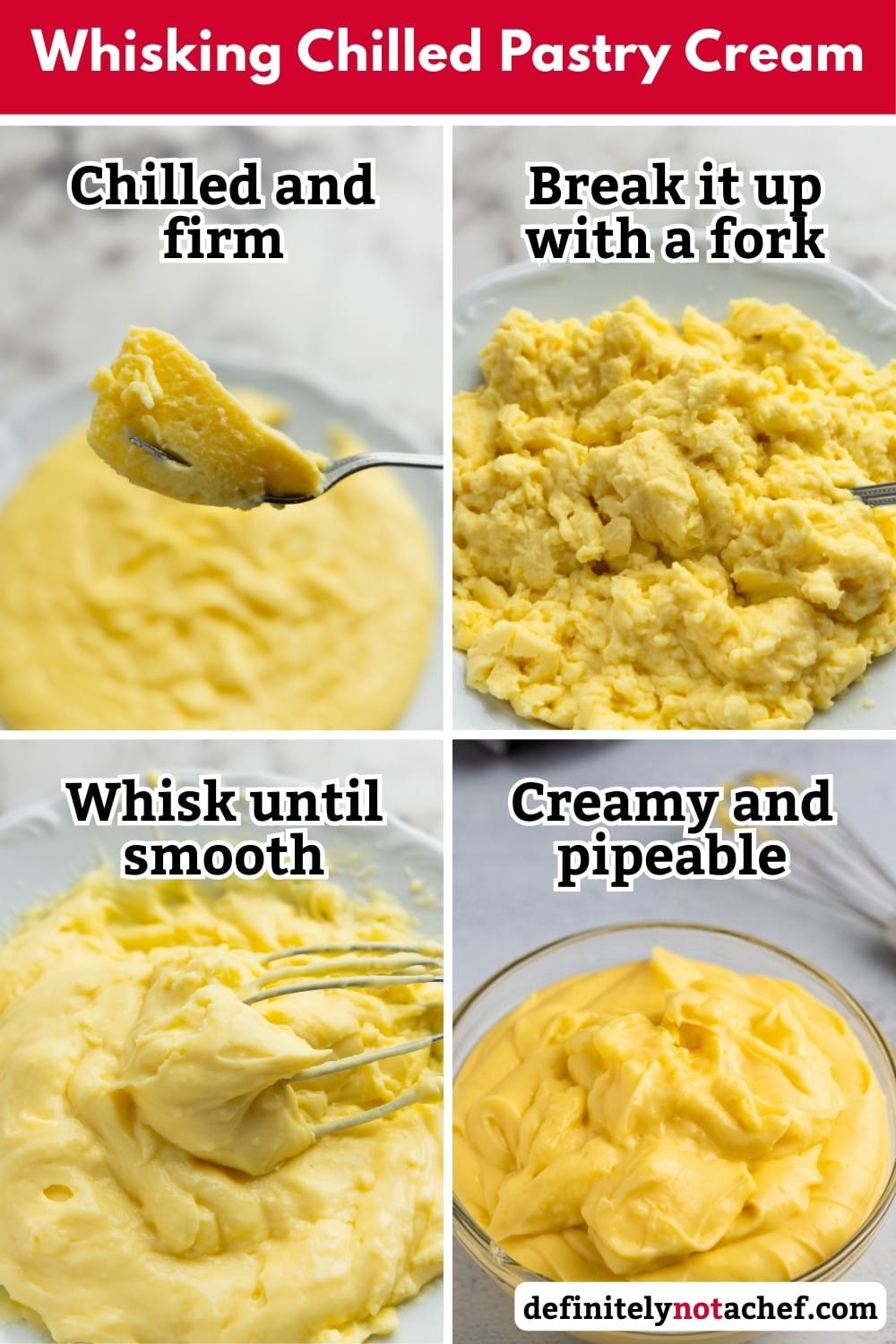
- Whisk Before Using. Once chilled, the pastry cream will be very firm and set — this is completely normal. Before using, break it up with a fork or spatula, then whisk until smooth and creamy again. It should become soft, spreadable, and pipeable within a minute or two. If it still feels slightly too stiff for your use, whisking a bit longer will help loosen it.
One Pot (No Egg Tempering) Method
The method above uses classic egg tempering and gives you maximum control. If you prefer a single-pot approach, you can skip tempering — just manage the heat carefully.
Here’s how it changes:
- Combine Base Ingredients. In a saucepan, whisk together the milk (reserve about ⅓ cup), sugar, and egg yolks until smooth.
- Heat Gently. Cook over medium heat, whisking constantly, until the mixture is hot but not simmering. Remove the saucepan from the heat at this point to prevent the yolks from curdling.
- Prepare the Slurry. While the saucepan is off heat, whisk the reserved milk with the cornstarch until completely smooth. (Mix it just before using — it will separate if it sits too long.)
- Add Slurry Off Heat. Pour the slurry into the hot milk mixture while whisking constantly.
- Return to Heat and Finish. Place the saucepan back over medium heat and cook, whisking constantly, until thickened and bubbling. Once bubbling, continue whisking for 30–60 seconds. Remove from heat and finish the recipe as written (whisk briefly off heat, then stir in butter).
This version saves a bowl and works well, but it requires steady whisking and careful heat control. The tempered method offers slightly more margin for error, especially if you’re new to making custards.
How to Use Vanilla Beans Instead of Vanilla Extract
Vanilla extract keeps the process simple and consistent. But if you want a deeper, more aromatic vanilla flavor, whole vanilla beans are a great upgrade.
Here’s how to use them:
- Use the Right Amount. Replace 2 teaspoons of vanilla extract with 1 whole vanilla bean. (Use 2 beans for a stronger, more pronounced flavor.)
- Infuse the Milk. Split the bean lengthwise and scrape out the seeds. Add both the seeds and the pod to the milk. Heat until just simmering, then remove from heat, cover, and let steep for 20–30 minutes.
- Strain and Continue. Remove the pod. Strain the milk if you prefer an ultra-smooth texture, or leave the seeds in for visible vanilla specks. Continue with the recipe as written, skipping vanilla extract.
Adjusting the Texture
This recipe uses 4 tablespoons (about 40 g) of cornstarch per 2 cups of liquid, which produces a thick, stable pastry cream.
That consistency is ideal for:
- Filling éclairs and cream puffs without leaking
- Spreading into tart shells
- Layering in cakes where (fairly) clean slices matter
If you don’t need as much structure — for example, in layered desserts served in glasses — you can reduce the cornstarch for a softer, more spoonable texture:
- Reduce by 25% (to 3 tablespoons) for a slightly softer cream
- Reduce by up to 50% for a more custard-like consistency
The lower the starch, the softer and creamier the final result — but also less stable for piping or slicing.
Tips
- Chill on a Plate. To cool the pastry cream faster, spread it onto a large plate or shallow bowl instead of leaving it in a deep container. The larger surface area helps it chill much more quickly.
- Weigh the Cornstarch. For consistent results, weigh your cornstarch instead of relying on tablespoons. Volume measurements can vary significantly depending on how tightly the starch is packed. Using grams ensures your pastry cream thickens exactly as intended.
- Make It in Advance. Pastry cream keeps well for 3–4 days in the refrigerator. You can prepare it a day ahead and assemble your dessert when needed.
- Whisk Constantly. Whisking isn’t optional. Continuous whisking prevents the yolks from scrambling and keeps the texture smooth. Once it starts thickening, stay with it until it’s done.
How to Use Pastry Cream
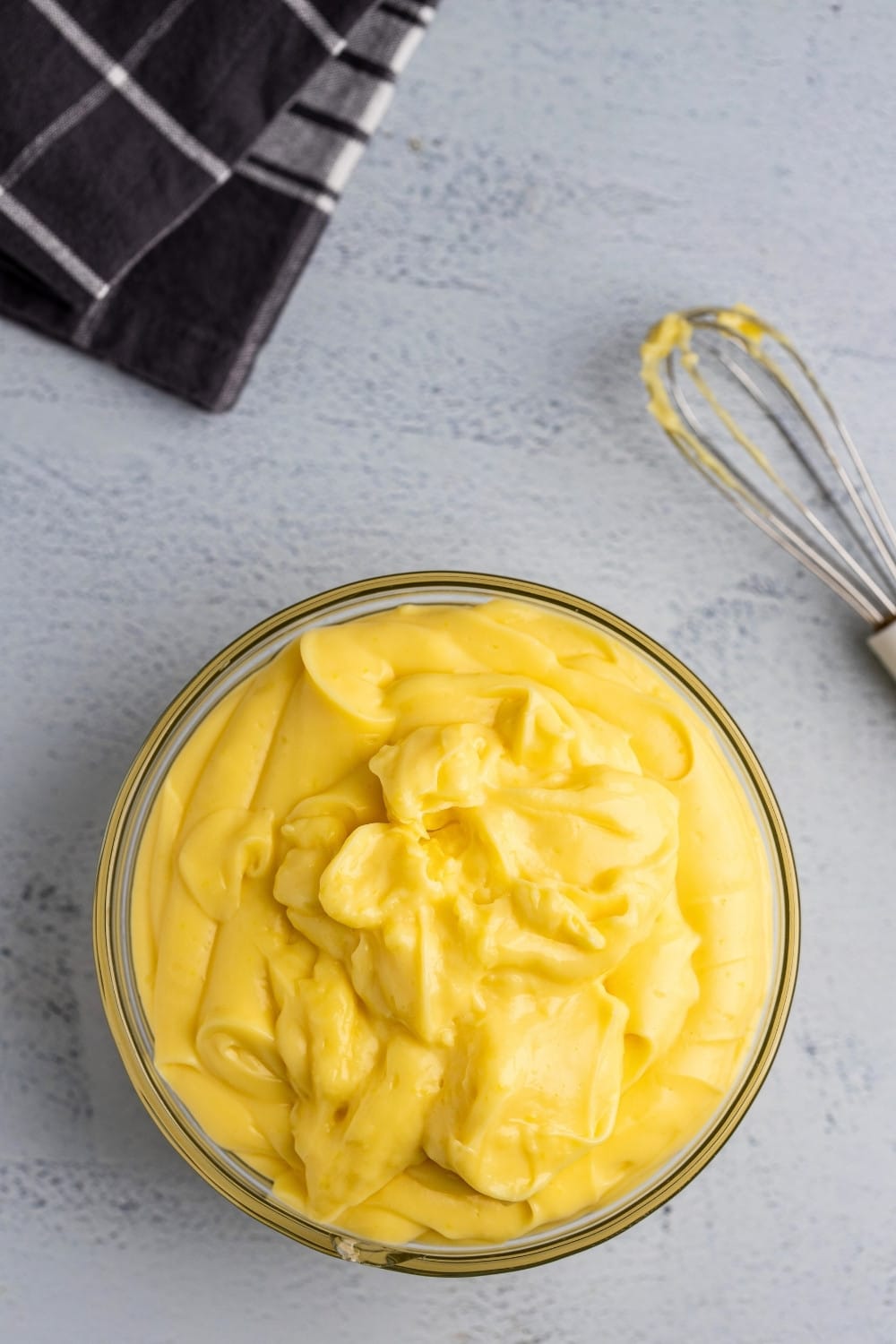
Pastry cream is incredibly versatile. Here are some of the most common uses:
- Layered Desserts. Use it in trifles or dessert glasses layered with fruit, cake, or crushed cookies.
- Filled Pastries. Pipe it into baked cream puffs or éclairs, or use it to fill croissants and sweet rolls.
- Cake Filling. Spread it between sponge cake layers (like in Karpatka) or use it in layered cakes where you want a rich but not overly sweet filling.
- Tart Filling. Fill pre-baked tart shells and top with fresh fruit, glaze, or caramel. The thick texture holds clean slices beautifully.
- Macaron Filling. Use it as a filling for macarons, either on its own or combined with butter or whipped cream for extra stability.
Transforming Pastry Cream
Pastry cream is a base cream. From here, you can adjust richness, stability, and texture depending on what your dessert needs.
Two of the most common transformations are:
- Diplomat Cream (Crème Diplomate). If pastry cream feels too rich or heavy, you can lighten it by folding in whipped cream. For stability, gelatin is typically added. The result is a softer, airier cream that works beautifully in layered cakes and delicate pastries.
- Cream Mousseline (Crème Mousseline). If you need more structure and pipeability, whip softened butter into pastry cream. This creates a richer, more stable cream that holds sharp edges and works well for decorative piping or structured cakes — without using gelatin.
Flavoring Pastry Cream
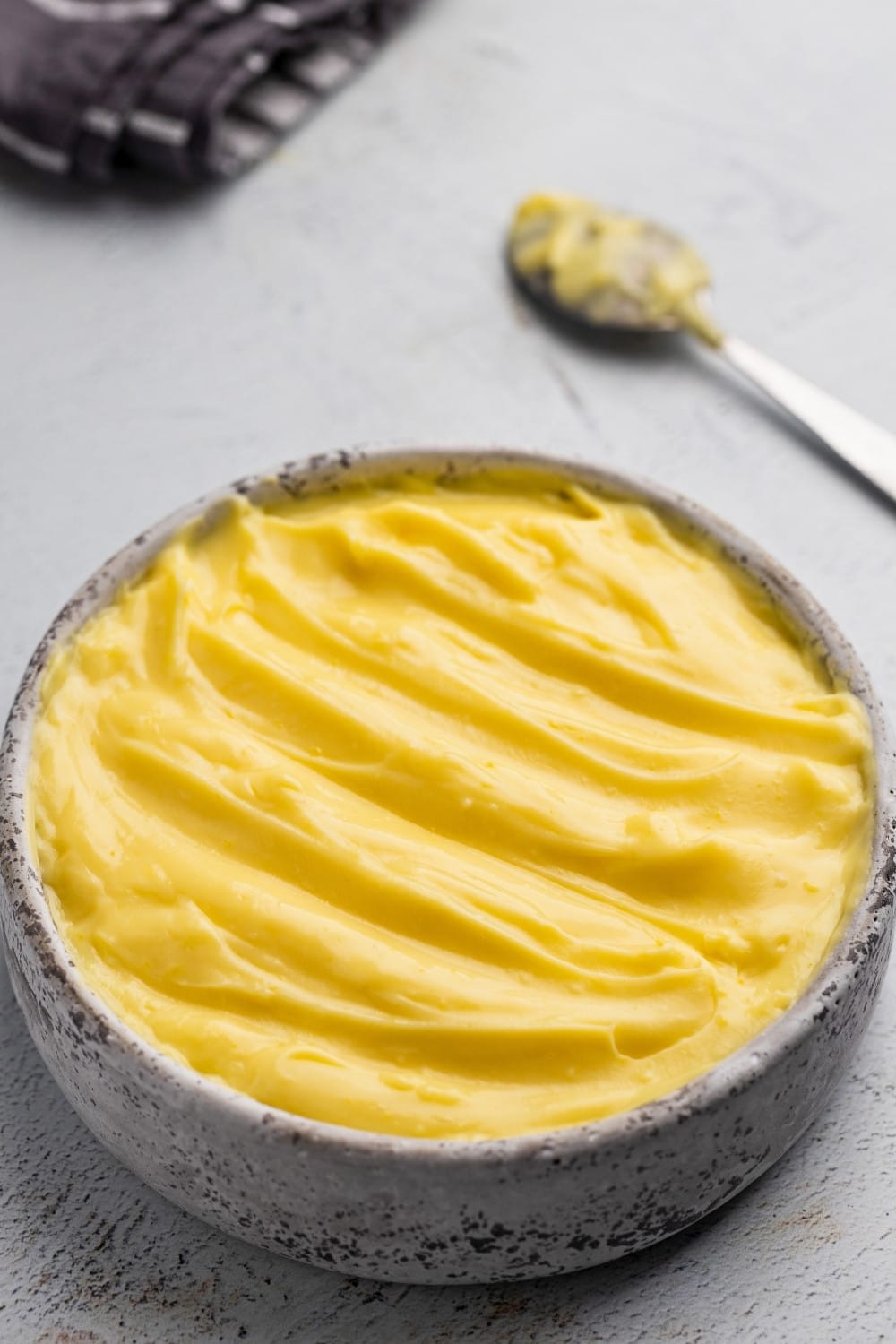
Once you’ve mastered this vanilla base, you can turn it into dozens of different pastry cream flavors.
Instead of giving rough suggestions without clear ratios, I’ve put together a full guide with tested proportions for chocolate, coffee, citrus, nut-based, and fruit variations.
👉See all 12+ pastry cream flavors here.
Storage
Once prepared, you can store pastry cream for 3 to 4 days in the fridge. Make sure the container is sealed tightly so that it doesn’t absorb any smells.
This post may contain affiliate links. Read our privacy policy.
Equipment
Ingredients
- 2 cups milk ~480g
- 4 egg yolks ~ 70-80g
- 4 tablespoons cornstarch ~40g
- 7 tablespoons sugar ~87g
- 2 teaspoons vanilla extract
- 2 tbsp unsalted butter ~28g
Instructions
- Boil Milk: In a pot, mix milk with vanilla extract, and half the sugar, and heat until steaming and just about to simmer.2 cups milk, 2 teaspoons vanilla extract, 7 tablespoons sugar
- Prep Yolks: While the milk heats, whisk yolks, cornstarch, remaining sugar, and 2 tablespoons of the milk mixture (while it's still lukewarm) in a bowl.4 tablespoons cornstarch, 4 egg yolks
- Temper Eggs: Gradually add a few tablespoons of hot milk to the yolk mixture, whisking constantly to avoid curdling. Repeat until all milk is incorporated.
- Thicken Cream: Cook on medium heat, whisking constantly, until thickened and bubbling. Once bubbling, continue whisking for 30–60 seconds on low heat.
- Off Heat Whisking: Remove from heat and whisk for another 30–60 seconds to slightly loosen the texture.
- Add Butter: Stir butter into the mixture until melted and integrated.2 tbsp unsalted butter
- Taste and Adjust: Taste the cream and add more sugar or vanilla if needed.
- Chill: Cover with plastic wrap touching the cream's surface to avoid crust formation. Cool at room temperature for 30 minutes, then refrigerate.
- Final Whisk: Break up the chilled cream with a fork or spatula, then whisk until smooth.
Notes
Perfect !!
Thank you!