
Powdered Sugar Glaze (Simplest Cake Glaze)
This simple powdered sugar glaze is a quick and easy way to add a sweet, glossy finish to your favorite baked treats.

Recipe At a Glance
This powdered sugar icing is the simplest glaze for baked goods and desserts. It comes together in just 5 minutes using pantry staples like powdered sugar, milk, and maybe a splash of vanilla extract. If your freshly baked treat looks a bit plain, this cake glaze is the perfect finishing touch.
In addition to the basic recipe, there are countless ways to tweak the flavor of this easy icing to complement whatever you’re making. I cover those after the base recipe.
Ingredients Notes and Substitutes

- Powdered sugar. The base of the glaze. Also known as confectioner’s sugar.
- Milk. Full-fat milk is the go-to, but low-fat or skim milk works just as well. There are other options, too, which I’ll cover in the flavoring section.
- Vanilla extract. Optional, but adds great flavor. You can swap it with almond extract (or any other extract), but start with 1/4 of the amount you’d use for vanilla and taste before adding more.
How to Make Powdered Sugar Glaze
- Add ingredients. In a small bowl, add powdered sugar, vanilla extract, and roughly two-thirds of the milk. We start with less liquid than we’ll likely need.
 Combine powdered sugar, vanilla
 and two-thirds milk in a bowl
- Whisk. Whisk everything together. It’ll likely be lumpy, and some dry powdered sugar might be left. We’ll fix that in the next step.

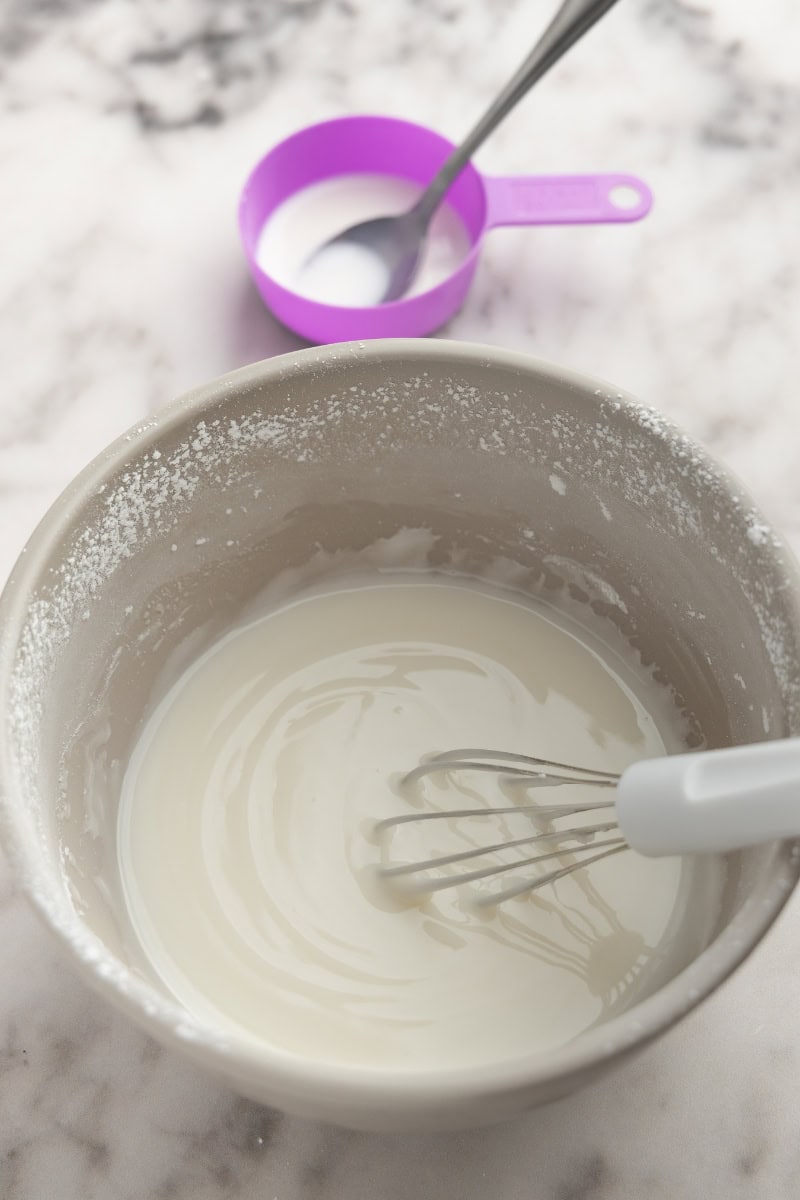
- Adjust consistency. Add the remaining milk bit by bit, whisking well after each addition. Aim for a glaze that flows slowly but smoothly from the whisk. If you add too much liquid and the glaze is too thin, add more powdered sugar until you get to the desired consistency.
 Gradually add remaining milk
 Aim for consistency like this
- Whisk until smooth
- Use immediately. Pour the glaze all over your baked goods or desserts, making sure they’re cold before you do so.

Next, let’s talk about flavoring this glaze to better fit the dessert it finishes.
Flavoring Powdered Sugar Glaze
The basic glaze, made with milk and vanilla extract, has a pleasantly sweet, neutral flavor that pairs well with almost anything.
But you can make it more interesting—or better suited to your dessert—by swapping out the milk or using a different extract.
Here are some popular options:
- Lemon juice. Skip the vanilla and replace the milk with lemon juice for a simple lemon glaze. I use this in my lemon madeleines to boost the lemon flavor. It’s perfect for any lemon-flavored treats like lemon financiers, bundt cakes, pound cakes, muffins, and more. You can substitute other citrus juices if they fit your recipe (say, orange juice for orange madeleines). For a milder citrus flavor, use half juice and half water.

- Coffee. Replace the milk with cooled, strongly brewed coffee or espresso. Swap a third of the coffee with Kahlua or another coffee liqueur for a deeper coffee flavor. This works well for desserts like coffee cream puffs.
- Extracts. Almond or other extracts can replace the vanilla. Start with a quarter of the amount you’d use for vanilla, taste the glaze, and add more if needed. Since extract strength varies by brand, adding a little at a time is best.
- Fruit puree. If you’re already making fruit puree for your dessert, consider using it in the glaze. Strain the puree through a fine mesh sieve before mixing it with the powdered sugar to avoid lumps. The puree will also add color to the glaze. Skip the vanilla, as it may overpower the fruit flavor.
- Food coloring. If you want a pop of color, add a bit of gel or dry food coloring to the glaze. While it won’t change the flavor, a vibrant glaze can elevate the look of your dessert.
Flavors
All powdered sugar glaze flavors, in one place. Jump to a specific flavor or scroll to discover something new.
Classic
Classic powdered sugar glaze is the simplest glaze you can make — just powdered sugar, a splash of liquid, and optional vanilla for aroma. It’s neutral, lightly sweet, and works on just about anything, from cakes and loaf breads to cookies, scones, and pastries.
This post may contain affiliate links. Read our privacy policy.
Equipment
Ingredients
- 1 cup powdered sugar
- 5 1/2 teaspoons milk or other liquid of choice
- 1/2 teaspoon vanilla extract optional
Instructions
- Combine Ingredients: In a small bowl, mix powdered sugar, vanilla extract, and about two-thirds of the milk.1 cup powdered sugar, 1/2 teaspoon vanilla extract, 5 1/2 teaspoons milk
- Whisk Until Smooth: Whisk the mixture. Expect some lumps to remain.
- Adjust Consistency: Gradually add the remaining milk, whisking until the glaze is smooth and flows slowly. If too thin, add more powdered sugar.
- Apply Glaze: Use immediately on cooled baked goods or desserts.
Coffee

Coffee glaze adds a subtle bitterness and roasted depth to a classic powdered sugar glaze. The coffee keeps the sweetness in check, while a bit of butter gives the glaze a smoother, richer finish.
This glaze works especially well on chocolate-forward bakes, coffee cakes, and anything that benefits from a hint of espresso flavor. It drizzles easily, sets softly, and brings a gentle coffee note without overpowering the dessert.
Orange

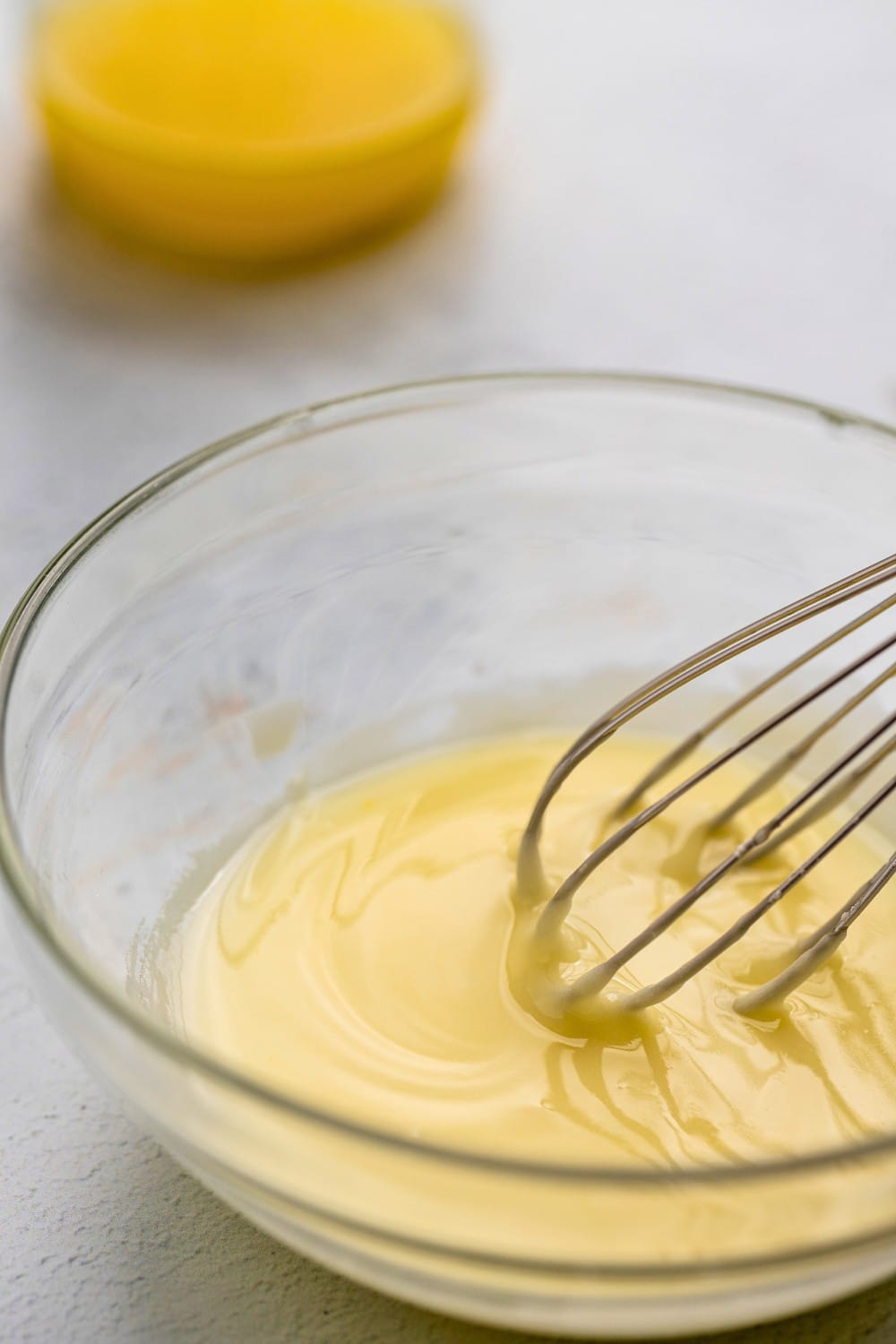
Orange powdered sugar glaze is about as simple as it gets — just powdered sugar, fresh orange juice, and a pinch of salt. It adds a light citrus note and a clean sweetness that works especially well on cakes, loaf breads, scones, and cookies.
Because the flavor comes straight from the juice, the glaze stays bright and fresh rather than overly sweet. It’s quick to mix, easy to adjust for thickness, and a great go-to when you want a citrus finish without turning it into a full frosting.
Ingredients
- 1 cup powdered sugar ~110 g
- 2 tablespoons orange juice freshly squeezed
- pinch salt
Instructions
- Combine Ingredients: In a small bowl, mix the powdered sugar, the pinch of salt, and about two-thirds of the orange juice until the dry sugar is moistened.1 cup powdered sugar, 2 tablespoons orange juice, pinch salt
- Whisk Until Smooth: Whisk the mixture; you may still see a few small lumps, which is normal—continue until it’s as smooth as you can get it.
- Adjust Consistency: Gradually add the remaining orange juice while whisking until the glaze is smooth and flows slowly. If it becomes too thin, stir in a little more powdered sugar to thicken.
- Apply Glaze: Use the glaze immediately to top cooled baked goods or desserts so it sets nicely.
Notes
- Yields 1/3 cup of glaze.
Nutrition
Cinnamon
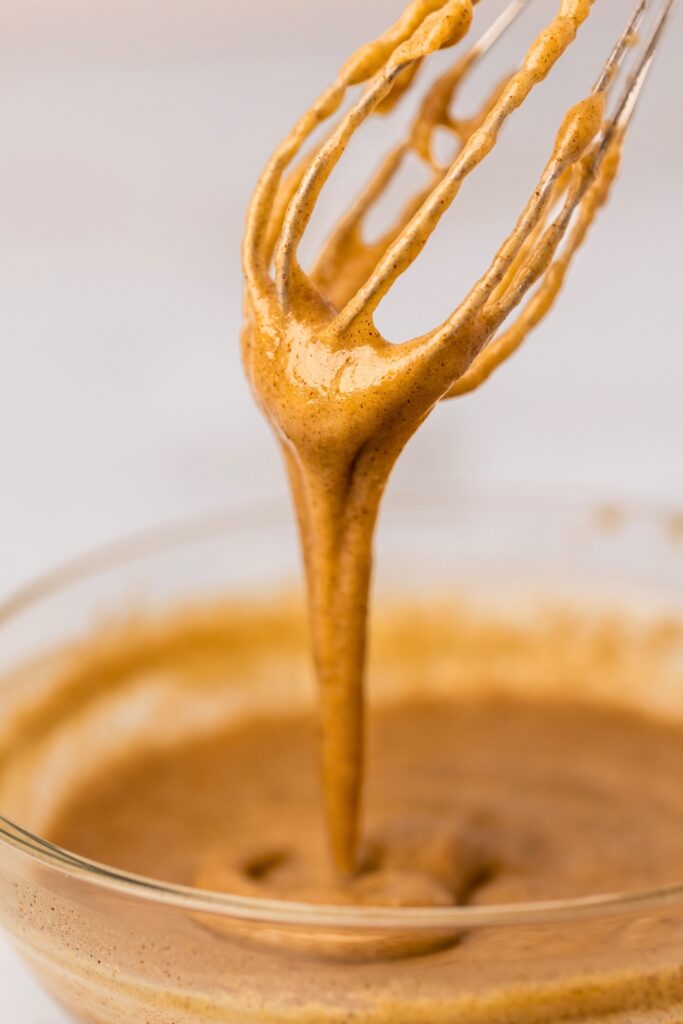
Cinnamon glaze takes a classic powdered sugar glaze and gives it a warm, bakery-style twist. The cinnamon adds spice and depth, while a bit of butter makes the glaze richer and smoother than a simple milk-and-sugar version.
This glaze is especially good on fall-leaning bakes — think cinnamon rolls, muffins, loaf cakes, or coffee cake. It drizzles easily, sets softly, and brings that familiar cinnamon-sugar comfort without turning into a heavy frosting.
Maple

Maple glaze is a richer, more flavorful take on a classic powdered sugar glaze. Using real maple syrup instead of milk brings warmth and depth, while butter rounds everything out for a smooth, glossy finish.
This glaze shines on bakes that lean cozy and comforting — loaf cakes, scones, muffins, and anything fall- or breakfast-adjacent. It drizzles easily, sets softly, and delivers clear maple flavor without becoming overly sweet or heavy.
Brown butter
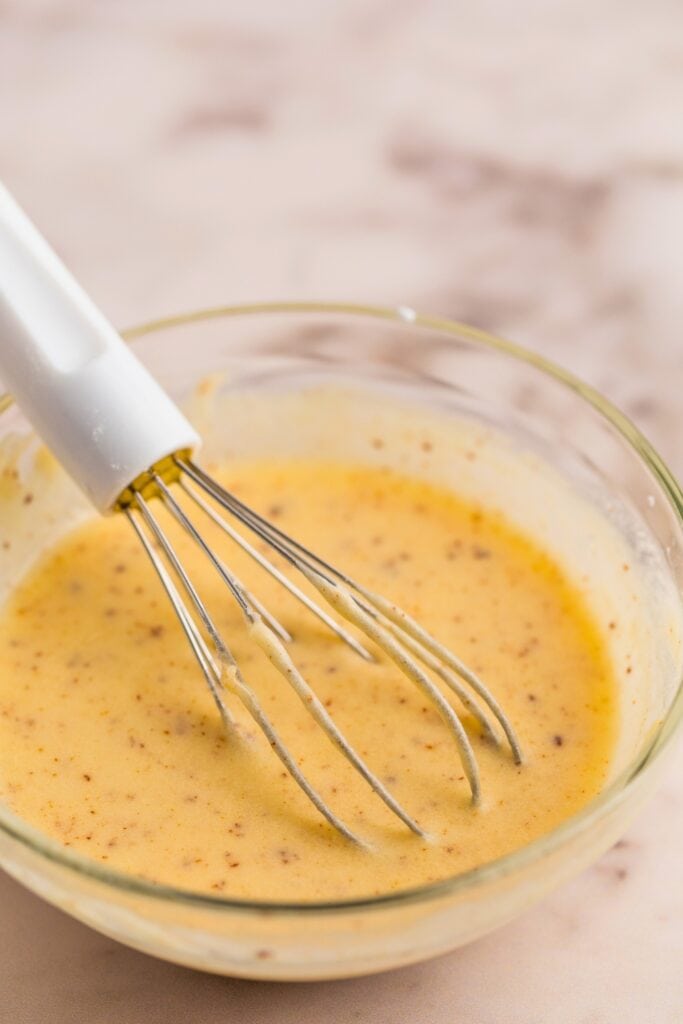
Brown butter glaze takes a simple powdered sugar glaze and pushes it into deeper, nuttier territory. Browning the butter adds toasted, caramel-like notes that make the glaze taste far more complex than the ingredient list suggests.
This glaze works especially well on cakes, loaf breads, and pastries where you want a richer finish without going full frosting. It pours smoothly, sets softly, and brings that unmistakable brown-butter depth to otherwise simple bakes.
Earl Grey

Earl Grey glaze brings a light, floral twist to a classic powdered sugar glaze. Infusing the milk with tea adds subtle citrus and bergamot notes that cut through the sweetness without overwhelming it.
This glaze works especially well on simple cakes, scones, and pastries where the tea flavor can shine. It drizzles smoothly, sets softly, and adds a gentle, aromatic finish that feels a little more elegant than a standard glaze.
Ways to Use
This easy glaze can enhance almost any baked good that needs a little extra something on top, including store-bought items that taste great but could use a visual boost.
Need some ideas? Here are a few:
- Cakes. Perfect for pound cakes, bundt cakes, angel food cakes, and more. If your cake needs a finishing touch, this glaze will do the trick.
- Donuts. Ideal for classic donuts, my Polish donuts, or anything donut-like. Add sprinkles for some extra crunch and color.

- Quick Breads. Drizzle this glaze over a loaf of banana or zucchini bread, or decorate individual slices when serving.
- Muffins. Match the glaze flavor to your muffins. For example, use a lemon glaze for berry muffins or add pumpkin spice to a glaze for pumpkin muffins.
- Cookies. Drizzle the cookie glaze over cookies for decoration, or spread it with a spoon or pastry brush for more coverage. You can also dip the cookies for a fancier touch.
- Pastries. Think cinnamon rolls, eclairs, and cream puffs—all look and taste better with a glaze.
- Scones. A classic pairing, so no surprises here.
FAQ
Does the glaze harden?
Yes, the glaze will harden if you stick to the liquid-to-powdered sugar ratio recommended in the recipe (about two tablespoons of liquid per 1 cup of powdered sugar) or use less liquid. If you add too much liquid, the glaze will struggle to set and might take a long time to dry.
In short, too much liquid means a glaze that stays liquid.

How do I store leftovers?
Store leftover glaze in an airtight container in the fridge or on the counter for 3 to 4 days. Before using it again, stir it well and add a bit of milk to thin it out if needed.

How do I store baked goods topped with this glaze?
Leave the glazed baked goods on the counter until the glaze hardens. After that, either refrigerate them or cover and store them at room temperature, depending on the best storage method for the baked goods itself. The glaze can be stored at room temperature or in the fridge, so base your decision on the needs of the baked goods.